
When it comes to owning a swimming pool, it’s not just humans who enjoy a refreshing dip—dogs do too. However, keeping your canine companions safe around water requires intention. In this guide, we explore pool safety for dogs, offering practical tips, common mistakes to avoid, and expert advice to ensure your pet’s time in and around the pool is safe and enjoyable.
Why Pool Safety for Dogs Matters
Before diving into safety tips, it’s important to understand why pool safety for dogs is critical:
- Drowning Risk: Even dogs that are good swimmers can become tired, disoriented, or trapped.
- Chemical Exposure: Chlorinated or salt-treated water may irritate dogs’ skin, eyes, or paws.
- Injury from Pool Equipment: Filters, vacuums, and slippery surfaces can lead to injury if a dog isn’t supervised.
Ensuring pool safety for dogs means providing a safe environment that supports their well-being while letting them enjoy the fun.
1. Teach Your Dog to Swim
Not all dogs instinctively know how to swim, and some breeds are better suited for water than others. Take time to introduce your dog to water gradually.
- Start in shallow areas and let your dog build confidence.
- Use a flotation device designed for dogs, especially for small or heavy breeds.
- Consider swim training: Some pet facilities offer safe and supervised swim lessons.
2. Provide a Safe Way Out
Many pet-related pool accidents happen when a dog can’t find a way out.
- Install dog-friendly steps with non-slip surfaces.
- Add a pool ramp that provides a visible, easy exit for dogs of all sizes.
- Practice exit drills so your dog knows where and how to get out.

3. Use Barriers and Covers
Just like for children, barriers help prevent unsupervised access to the pool.
- Pool fencing: At least 4 feet tall, with a self-latching gate.
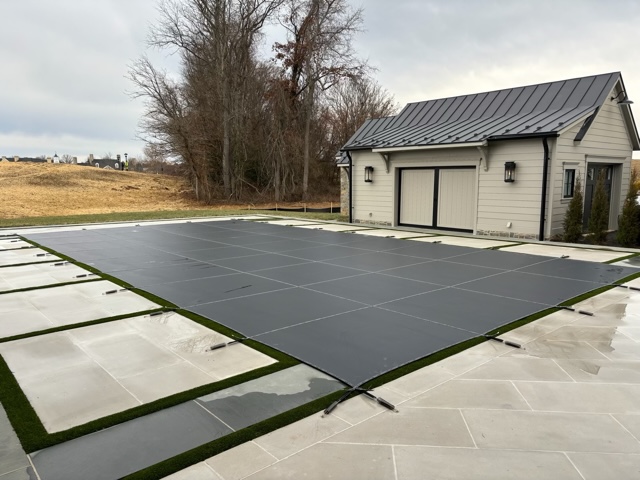
- Sturdy pool covers: Automatic covers should be rated to support weight in case a dog walks on them.
- Pool alarms: Some systems alert you when anything enters the water unexpectedly.
4. Keep the Water Clean and Dog-Friendly
Maintaining your pool’s chemical balance is important for both humans and pets.
- Test the water regularly for pH and chlorine levels. Ideal pH is between 7.2 and 7.8.
- Rinse your dog after swimming to remove any lingering chemicals from their coat and skin.
- Use pet-safe chemicals when possible, and avoid products that can cause skin or eye irritation.
5. Always Supervise Your Dog
Supervision is the most effective way to keep your dog safe around the pool.
- Never leave your dog unattended, even for a short time.
- Limit swim sessions to avoid fatigue or overexposure to sun and chemicals.
- Train key commands like “come,” “stay,” and “exit” to control their behavior around water.
6. Prepare for Emergencies
Having the right tools and knowledge on hand can make a big difference.
- Pet first-aid kit: Include gauze, antiseptic wipes, towels, and a muzzle (in case of injury).
- Learn pet CPR: Familiarize yourself with dog-specific CPR techniques.
- Keep emergency contacts ready, including your local emergency vet and poison control.
7. Avoid Unsafe Pool Toys
Some toys pose safety risks if left in or around the pool.
- Choose floating, durable toys that are easy for your dog to retrieve.
- Avoid toys with holes or absorbent material, which can harbor bacteria or sink unexpectedly.
- Supervise playtime to avoid chewing or choking hazards.
8. Take Breaks and Monitor Health
Extended exposure to the sun and chemicals can be harmful to dogs.
- Provide shade and fresh drinking water poolside to keep your dog hydrated and cool.
- Watch for signs of overexertion such as heavy panting, difficulty swimming, or glazed eyes.
- Dry ears and paws after swimming to prevent infections, especially in breeds prone to ear issues.
9. Consider Breed and Age Differences
Some dogs are natural swimmers, while others may struggle.
- Breeds like Labradors and Golden Retrievers often love water and swim well.
- Flat-faced breeds like Bulldogs and Pugs can tire quickly and are prone to breathing issues in the pool.
- Older dogs or those with joint problems may need extra support or limited water time.
10. Set Family Pool Rules for Pets
Make sure everyone in your household understands pet pool safety.
| Rule | Purpose |
|---|---|
| Never allow dogs to swim unsupervised | Prevents drowning or injury |
| Always use the designated pool exit | Ensures dogs can get out safely |
| No roughhousing near the pool | Reduces risk of slipping or accidental falls |
| Rinse dog after every swim | Protects skin and coat from chemicals |
| Check toys regularly | Prevents choking and water contamination |
Why Town & Country Pools Cares About Dog Safety
At Town & Country Pools, we know your pool is more than a luxury—it’s a gathering place for the whole family, pets included. That’s why we build and upgrade pools with pet safety in mind.
We offer:
- Custom pool features like dog-friendly steps and ramps
- Advice on safe chemical maintenance for multi-species households
- Accessories like pet flotation devices and pool alarms
If you’re planning a new pool or upgrading an existing one, talk to our team about features that make your space fun and safe for everyone—including your dog.
Final Thoughts
Pool safety for dogs isn’t complicated, but it does require awareness and planning. Whether you’re teaching your pup to swim, installing a ramp, or simply keeping an eye on them, these actions create a safer environment where your dog can thrive.
At Town & Country Pools, we’re here to help make that happen. Contact us today to learn more about designing or modifying your pool with pet safety in mind.